Stories from the Azores
Long-form writing on the Azores — walking the crater rim above Sete Cidades, soaking in the thermal pools of Furnas, climbing Pico before sunrise, and the practicalities of island-hopping across the archipelago.
More stories

Why São Miguel's Crater Lakes Look Like They Were Painted

The Mistakes I Made on My First Trip to the Azores

Where I Actually Found the Azores' Hydrangeas

What I Actually Eat at the Azores' Everyday Markets

Azores Tap Water and Other Practicalities Nobody Mentions

What It's Really Like Taking a Toddler to the Azores

A Cruise Ship Day in Ponta Delgada

What Driving in the Azores Actually Feels Like

How Long Does It Really Take to Drive Across São Miguel?

How We Pick Whale Watching Operators in the Azores

Is the Azores Expensive? What I Actually Spent

Nine Islands, One Line Each

The Silence Between the Lava Walls

Watching Sunrise Break Over Sete Cidades

Swimming in the Atlantic in the Azores

The Azores in November

What São Jorge's Cheese Taught Me About the Island

The Ferry Gamble I Almost Lost

The Last Whalers of the Azores

Corvo, Graciosa, or Flores: Which Azores Island Is Actually the Quietest?

What a Fajã Actually Is

What Nobody Tells You About the Azores' Weather

What to Do in the Azores When It Rains

Why the Azores Stay Green All Year
Good to know about the Azores Spirit blog
The blog is where Azores Spirit steps back from strict planning logistics and covers the questions that shape how a trip actually feels, written with the same honest, no-fluff approach as the rest of the site. It opens with orientation pieces — what to know before visiting the Azores for the first time, and a direct look at whether climbing Montanha do Pico is really worth the registration and the early start, which stays qualitative rather than inventing precise figures: for most visitors comfortable on their feet and prepared for changeable weather, it is, while anyone hoping for a guaranteed clear view from the summit should know the cloud cover has the final say.
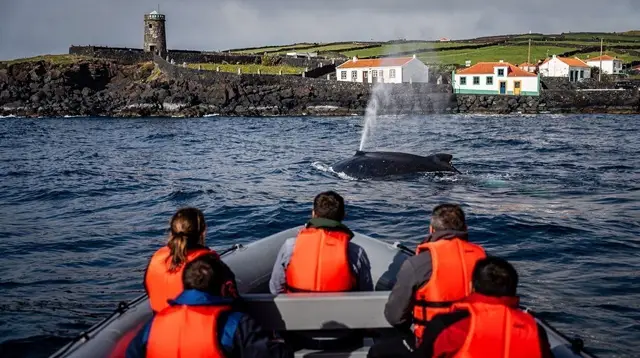
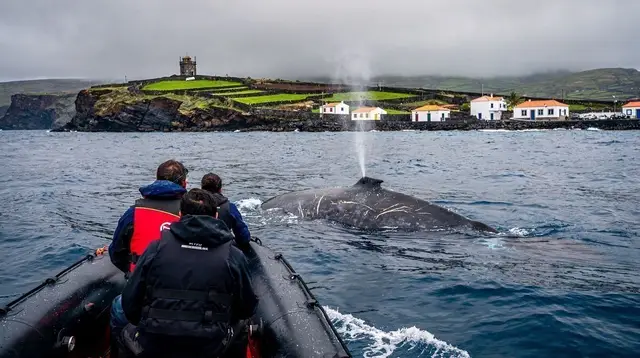
A whale-watching piece helps travellers weigh the resident sperm whales and common bottlenose dolphins seen most of the year against the migratory baleen whales that pass mostly through spring, laying out honestly that no boat trip can promise a sighting on a given day. History and culture get their own space: a piece on Angra do Heroísmo's UNESCO-listed old town explains why Terceira's colonial-era streets still shape the island's identity, and a piece on the whaling history around Lajes do Pico explains how a hunting industry became a whale-watching one within living memory.
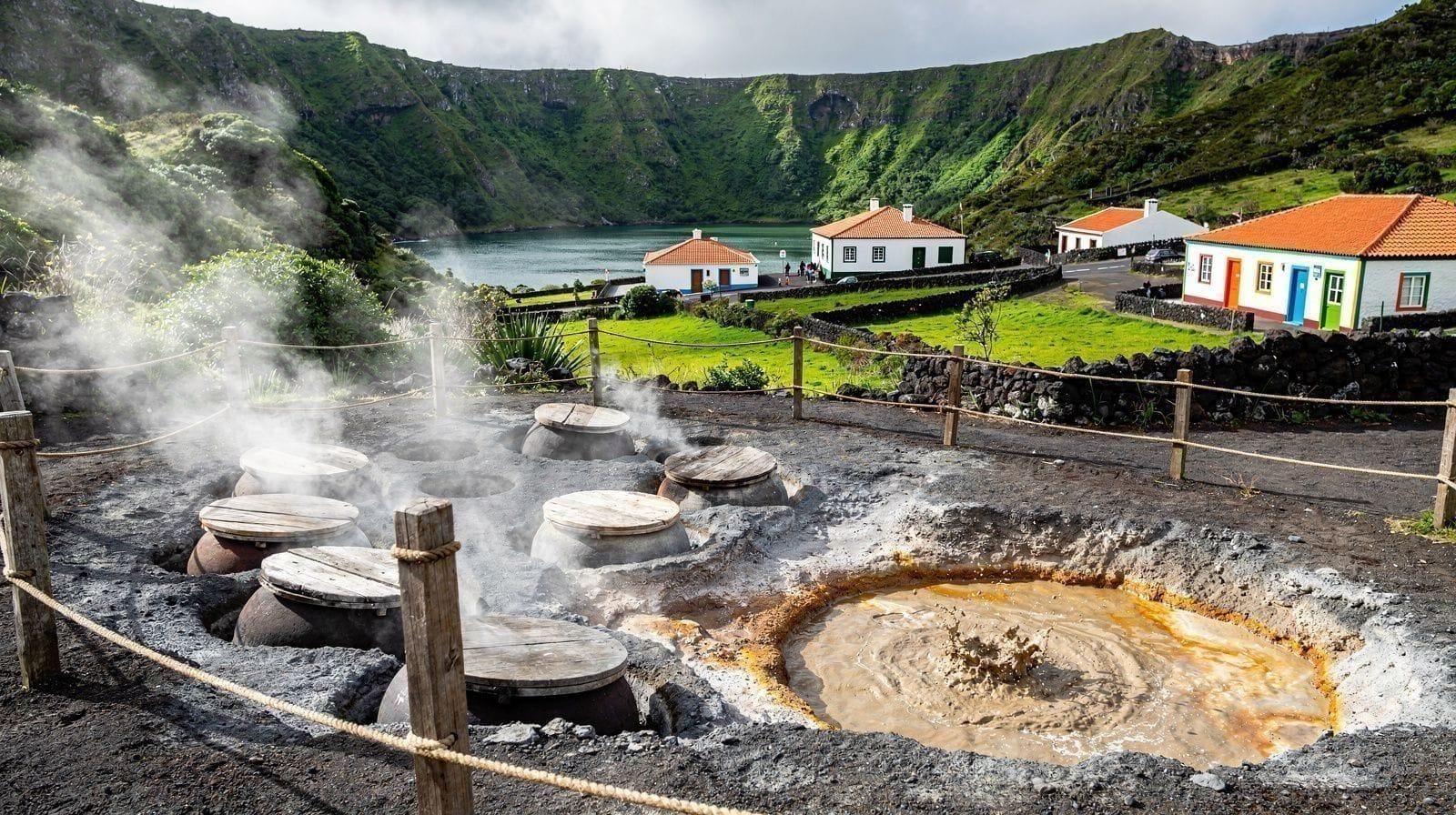
Food and craft pieces make up a solid share of the blog: a Furnas food guide covering the cozido cooked directly in volcanic ground and what a realistic meal costs in euros, a piece on the wine grown between Pico's stone-walled currais, and a guide to São Jorge's cured cheese and its fajã landscape. A best-time-to-visit piece pulls together the seasonal picture in one place: the busy summer months when hydrangeas bloom across the islands, the quieter shoulder season either side of it, and why the Azores' oceanic climate means packing for "four seasons in a day" regardless of the month.
A safety and etiquette piece covers ordinary caution around sticking to marked trilhos rather than improvising a route across unstable volcanic ground, registering ahead for the Pico climb, arranging a Graciosa visit locally since nothing there is sold online, and why calling the archipelago's footpaths "levadas" is a Madeira habit that doesn't carry over here. None of the blog content replaces the destination or guide pages — it's meant to be read for context and reassurance before or during a trip, answering the softer questions a strict itinerary or logistics guide doesn't cover.
Frequently asked questions about the Azores Spirit blog
Is climbing Montanha do Pico worth it?
For most visitors comfortable on their feet and ready for changeable weather, yes — reaching mainland Portugal's highest point at 2,351 m over the currais wine country is a genuine achievement, though the registration requirement and an early start matter more here than on the archipelago's easier trilhos, and a clear summit view is never guaranteed.
Should I book a whale-watching tour on São Miguel, Faial or Pico?
All three see resident sperm whales and common bottlenose dolphins for most of the year, so the choice usually comes down to where the rest of the trip is based rather than one island offering better odds; migratory baleen whales passing through in spring are a bonus on any of them, never a guarantee.
Why is Angra do Heroísmo protected as a UNESCO World Heritage site?
Terceira's old town preserves its layout from the era when it was a key Atlantic stopover for ships crossing between Europe and the Americas, and the blog's history piece explains what that heritage actually looks like on a walk through the streets today.
Is the fajã landscape of São Jorge worth a special trip?
Worth doing at least once — the platforms of flat land wedged beneath 500 m cliffs exist nowhere else in the archipelago in the same form, and the island's cured cheese, made from milk grazed on that same ground, tends to land even with visitors who came mainly for the view.
When is the best time to visit the Azores?
There isn't one answer for every traveller — summer brings the warmest weather, blooming hydrangeas and the busiest boats, spring adds a better chance of migratory whales passing through, and the shoulder months either side are quieter, though the islands' oceanic climate means a rain layer belongs in the bag whatever the season.
tours.whale-watching
Verified deep-linked GetYourGuide tours. Book through these links and we earn a small commission at no cost to you.
GetYourGuide does not provide a product photo for this activity — the image shows the meeting point, photographed by us.