Capelinhos Volcano: Visitor Guide to Hours, Trails and Timing
How much time do I need to visit the Capelinhos volcano site?
Budget 1.5 to 2.5 hours for the interpretation centre and the short walk to the lighthouse and viewpoint, or half a day if you add the coastal trail loop. The site is a stabilised historic monument, not an active hazard zone, so there is no restricted access beyond normal opening hours.
Getting your bearings before you go
Capelinhos sits at the far western tip of Faial, a headland of grey and rust-coloured ash built by a submarine eruption that broke the surface in September 1957 and kept erupting into October 1958. What you are visiting today is not a live hazard zone — it is a stabilised, decades-old landscape that has been fenced, paved and fitted with a visitor centre precisely so people can walk through it safely. If you came here expecting warning signs and restricted zones, recalibrate: expect a car park, a ticket desk, a small museum, and a flat walk out to a half-buried lighthouse.
This page is deliberately narrow. It covers the practical side of a visit — when the site is open, how long to set aside, which paths to walk and when to come. For the fuller story of how the eruption unfolded and what it means for Faial as a destination, see our Faial destination guide; for the volcanic picture across the whole archipelago, see Azores Volcanoes and Craters.
What the site actually is
Two things share the name “Capelinhos,” and it helps to separate them before you plan a visit:
- The ash field and old lighthouse. The 1957-58 eruption buried the base of the existing Capelinhos lighthouse (Farol dos Capelinhos) in ash and pushed the coastline outward with new volcanic land. The tower still stands, half-swallowed, in the middle of a pale, almost lunar plain.
- The interpretation centre. Decades later, the Azorean regional government built a modern visitor centre into and around the old lighthouse structure, largely underground so it does not compete visually with the landscape. It houses exhibits on the eruption, on Azorean volcanism more broadly, and on the families who lost homes and land to the ash fall — many of whom emigrated afterward.
You can visit the outdoor ash field and lighthouse viewpoint without ever entering the centre, and some travellers do exactly that, especially outside opening hours. But the exhibits are what turn a striking but slightly bewildering grey plain into a landscape you actually understand.
Interpretation centre: what to expect at the door
| Item | What to expect |
|---|---|
| Location | Ponta dos Capelinhos, western Faial, built into the former lighthouse structure |
| Format | Underground/semi-underground museum plus outdoor grounds and paths |
| Typical visit length (centre only) | 45–75 minutes |
| Typical visit length (centre + outdoor walk) | 1.5–2.5 hours |
| Booking | Walk-up; advance booking not generally required |
| Access | Paved paths and ramps around the buried lighthouse; the museum itself is step-accessible |
Opening hours at Capelinhos, like most Azorean visitor sites, shift between a shorter winter schedule and a longer one in the warmer months, and the centre is typically closed on Mondays. Because these hours move slightly year to year, check them the day before your visit rather than relying on an old printout or a blog post — including this one.
How much time to actually set aside
Travellers tend to under-budget Capelinhos because from photos it looks like a five-minute stop. In practice, most of the time goes to the walk, not the museum:
| Visit style | Time to budget | Good for |
|---|---|---|
| Viewpoint only, no museum | 30–45 min | Tight schedules, sites already closed, sunset visits |
| Museum + short lighthouse walk | 1.5–2 hours | Most first-time visitors |
| Museum + full coastal loop | 2.5–4 hours | Travellers who want to combine it with a longer Faial hike |
If Capelinhos is one stop among several on a day driving around western Faial, build in the 1.5–2 hour version and treat the longer loop as a bonus if the weather holds.
Trails and the walk to the lighthouse
From the visitor centre, a wide, mostly flat path crosses the ash plain toward the old lighthouse tower — this is the walk almost everyone does, and it takes 15 to 25 minutes each way at an easy pace. The surface is a mix of paving and compacted gravel, manageable in ordinary trainers.
Beyond the immediate lighthouse loop, longer coastal paths continue along this stretch of Faial’s western shoreline, connecting toward Ponta Ruiva and other points on the island’s rim. These are proper walking trails rather than paved visitor paths — good boots and a windproof layer matter more once you leave the immediate ash field. If you want a fuller west-Faial hike built around this stretch of coast, our best hikes in the Azores guide covers grading and route options in more detail than fits here.
Two practical notes that catch first-time visitors off guard:
- There is very little shade. The ash field is open and exposed; on a sunny afternoon it reflects a surprising amount of heat and glare.
- It is almost always windy. Faial’s western tip catches Atlantic wind with nothing to break it. Bring a layer even on an otherwise warm day.
Best time to visit
Capelinhos works at almost any time of year — this is not a seasonal site the way whale watching or hydrangea season are — but a few things shift the experience:
- Light. Late afternoon light brings out the contrast between the grey-black ash and the rust-orange oxidised patches, and photographers tend to prefer this window over flat midday sun. See our Azores photography spots guide for more on timing shots across the archipelago.
- Crowds. The site is rarely crowded compared with São Miguel’s big-name attractions, but midday in July and August brings the most visitors. Early morning or the last hour before closing are noticeably quieter.
- Weather. Faial follows the same Azorean pattern as the rest of the archipelago — fast-moving fronts that can swing from sun to rain and back within a single afternoon. Check the forecast the morning of your visit rather than the night before; see our Azores weather month by month guide for the bigger seasonal picture, and best time to visit the Azores if you are still setting your overall travel dates.
None of this makes Capelinhos a fair-weather-only stop. The museum portion is entirely indoors, so a rainy morning is a reasonable time to do the exhibits and save the outdoor walk for a clearer window later in the day.
Getting there
Capelinhos is on the western end of Faial, roughly a 20–25 minute drive from Horta along the coastal road, and a similarly short drive from Faial’s Caldeira if you are combining the two in one loop.
A rental car is by far the easiest way to reach it — public transport options to this corner of the island are limited, and having your own vehicle lets you time the visit around light and weather rather than a bus schedule. Our car rental in the Azores guide and driving in the Azores guide cover what to expect on Faial’s roads, which are generally easier and less exposed than the crater roads on São Miguel or Pico. If you would rather not navigate Faial’s back roads yourself on a short visit, a guided option covers the logistics for you:
a guided car tour of Faial that takes in Capelinhos alongside the island’s other western sightsFor travellers who prefer a slower, walking-paced introduction to the area around the volcano with a local guide explaining the landscape as you go, there is also:
a guided eco-tour of Faial that includes the Capelinhos areaSeeing Capelinhos from the water
The ash-built headland is also visible from the sea, and a handful of boat trips run along this stretch of coast specifically to show the scale of the new land the eruption added to Faial — a perspective the clifftop paths cannot quite give you:
a boat tour out to the Capelinhos natural monument that shows the volcano’s coastline from the waterThis works well as a complement to the land visit rather than a replacement for it — the museum and lighthouse walk explain what happened; the boat shows you how much of the coastline it actually reshaped.
Combining Capelinhos with the rest of your day
Most visitors pair Capelinhos with other stops on western Faial rather than treating it as a stand-alone outing. Horta’s marina, a short drive away, is the obvious pairing — see our Horta marina and Peter Café Sport guide for what else sits in that part of the island. If you are building a longer Faial itinerary, or combining Faial with Pico across the ferry, our Pico and Faial in 5 days itinerary and Pico–Faial day trip by ferry guide show where a Capelinhos stop fits into a wider plan. For the broader menu of what else there is to do on the island, see things to do on Faial.
If your trip includes hiring a private guide for a day rather than joining a set-departure tour, this option covers Faial generally and can be built around a Capelinhos visit:
a certified local guide for a customised day exploring Faial, including CapelinhosA note on what not to expect
A handful of misconceptions come up often enough to flag directly:
- It is not an active hazard site. Nobody visiting today needs a helmet, a permit, or a safety briefing about volcanic risk. The eruption ended in 1958; the paths, ramps and museum were purpose-built for public visits.
- It is not the whole of Faial’s volcanic story. The island’s Caldeira, a separate crater near the centre of Faial, is a different site entirely with its own access and trails — it is not covered here.
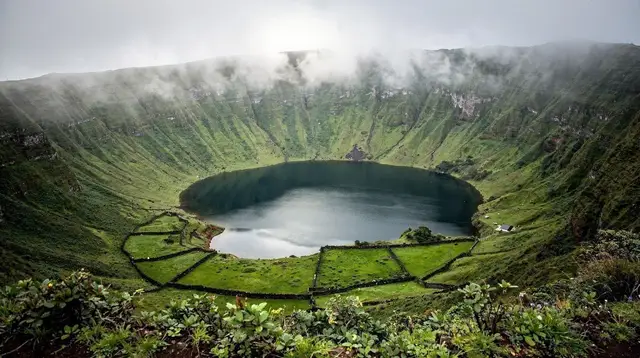
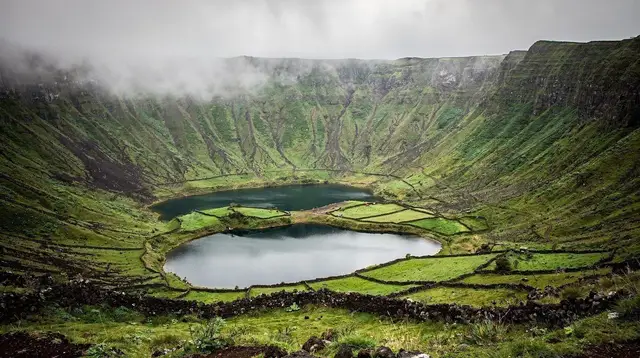
- It is not the same landscape as São Miguel’s craters. If you have already seen Sete Cidades or Lagoa do Fogo, do not expect a lake-filled crater at Capelinhos. This is an ash plain and a coastal headland, flat and stark rather than a green crater bowl.
FAQ: visiting the Capelinhos volcano site
Is Capelinhos an active volcano I should be careful around?
No. The eruption that built this landscape ended in October 1958. Capelinhos today is a managed heritage site with paved paths, a visitor centre and marked trails — there is no ongoing volcanic activity to be cautious of.
How long should I plan for a visit to Capelinhos?
Most visitors spend 1.5 to 2 hours on the interpretation centre and the walk out to the old lighthouse and ash field viewpoint. Add another hour or two if you want to walk one of the surrounding coastal trails rather than just the short loop.
Where exactly is the Capelinhos visitor centre?
It sits at the western tip of Faial, built into and around the former Capelinhos lighthouse (Farol dos Capelinhos), around a 20 to 25 minute drive from Horta along the coastal road.
Do I need to book tickets in advance?
Advance booking is not normally required for the interpretation centre itself; it operates on a walk-up basis with posted opening hours. It is worth checking the current hours before you drive out, since they shift between summer and winter.
Can I walk right up to the ash field and old lighthouse?
Yes. A paved and gravel path leads from the visitor centre out across the ash plain to the base of the half-buried lighthouse tower, which is the site’s main photo point.
Is Capelinhos worth visiting if I only have one day on Faial?
Most one-day itineraries on Faial still make room for it, since it sits close to other western Faial stops and the drive from Horta is short. If your day is tightly packed, treat the interpretation centre as optional and prioritise at least the outdoor viewpoint and lighthouse walk.
What should I wear or bring?
Wind and sun protection matter more than sturdy hiking gear for the short loop — the site is exposed and often breezy, with little shade. A light waterproof layer is worth carrying, since Faial’s weather changes quickly.
Is there a best time of day to visit?
Late afternoon light tends to bring out the ash field’s grey and rust tones best, and the site is generally quieter outside midday. Sunset from the viewpoint near the lighthouse is popular but check closing times, since the centre itself closes well before dark for much of the year.
tours.volcanoes-craters
Verified deep-linked GetYourGuide tours. Book through these links and we earn a small commission at no cost to you.
GetYourGuide does not provide a product photo for this activity — the image shows the meeting point, photographed by us.