Two Kinds of Flat Ground on a Vertical Island
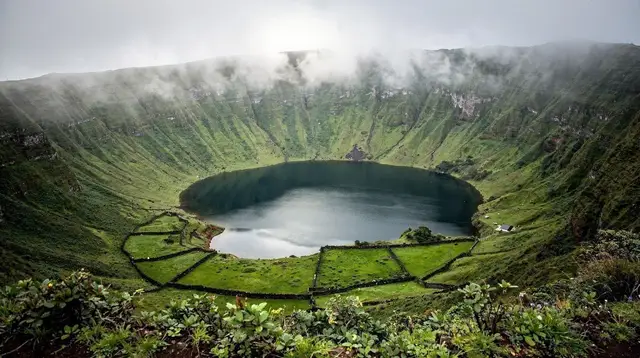
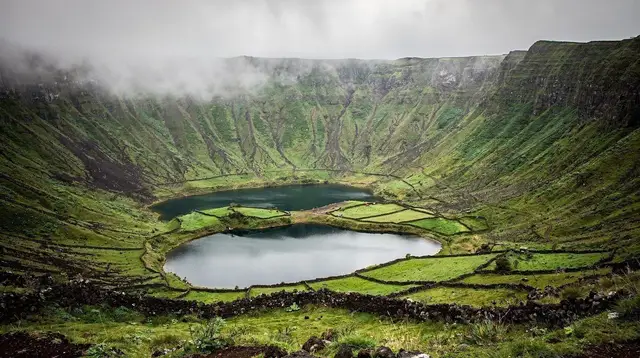
São Jorge is a narrow, 55-kilometre ridge of volcanic rock rising more than a thousand metres above the Atlantic for most of its length. Flat ground at sea level is the exception here, not the rule, and where it exists, it usually exists as a fajã: a shelf of land created either by an old lava flow that reached the coast and hardened into a low plain, or by a large landslide that broke away from the cliffs above and settled at the water’s edge. Geologists count roughly forty of these platforms ringing the island, but only a handful are large enough, distinctive enough, or accessible enough to plan a visit around.
This page is about finding those places on the map and understanding what sets each one apart — not about the geology behind how a fajã forms, which has its own explanation, and not about the specific trails and difficulty ratings for reaching them on foot, which is covered step by step in our São Jorge hiking guide. The two names that come up in almost every conversation about São Jorge are the Fajã da Caldeira de Santo Cristo, on the wilder north-east coast, and the Fajã dos Vimes, on the gentler south side near Calheta. They sit at opposite ends of what a fajã visit can mean on this island: one is a genuine short expedition, the other a stop you can simply drive to.
Fajã da Caldeira de Santo Cristo: A Lagoon Behind a Sand Bar
The Fajã da Caldeira de Santo Cristo sits on São Jorge’s rugged north coast, where a shallow saltwater lagoon has formed behind a natural bar of sand and shingle. Local families raise clams (ameijoas) in the calm water of the lagoon, while on the open-ocean side of the same bar, a beach break has made Santo Cristo one of the more talked-about surf spots in the Azores. Few places in the archipelago put small-scale shellfish farming and a genuine surf break within a few dozen metres of each other.
What matters most for planning a visit is that Santo Cristo sits off the road network that circles the rest of São Jorge. There is no paved road down into the fajã. Reaching it means one of three things: hiking down from the ridge above along a descent trail (the classic route down is covered in detail, together with distances and elevation, in our dedicated São Jorge fajã hikes guide), riding a rough 4x4 track that a small number of local operators run, or arriving by sea on a boat trip along the coast. A full-day tour that pairs a vehicle transfer with a boat leg is one practical way to see this stretch of coastline, including Santo Cristo, without committing to a multi-hour descent and climb in the same day:
a full-day São Jorge tour combining a vehicle transfer with a boat trip along the coastFor visitors who want to stay inside the fajã rather than hike down and straight back up, a small number of rural guesthouses operate at Santo Cristo, and camping is possible with the right permissions and gear. That overnight option is really built for hikers tackling the ridge trail properly, and it’s worth booking as a guided trip rather than improvising:
a guided camping and hiking trip down into a São Jorge fajãEither way, treat Santo Cristo as a half-day-minimum destination once travel time down and back is factored in, not a stop you can tick off on a driving loop.
Fajã dos Vimes: Flat Ground You Can Simply Drive To
The Fajã dos Vimes could not sit in more contrast to Santo Cristo. It’s one of the fajãs on São Jorge’s south coast, close to Calheta, that a paved road reaches directly, which makes it straightforward to fold into a half-day loop by car. Vimes reads as a working village rather than a beach destination: small farms, a scatter of stone houses, and pasture running down toward low sea cliffs.
Vimes is best known as home to one of the island’s small-scale traditional cheese producers, where São Jorge’s protected-origin cheese is still made using methods passed down through generations of farming families on this fajã. The cheese itself — its flavour profile, ageing process and where to buy it on the island — has its own dedicated write-up rather than being covered here. What belongs on this page is simply that Vimes is the fajã to choose when time is tight, when a steep coastal descent doesn’t appeal, or when the plan is to combine a fajã visit with other stops around Calheta and the south coast in a single afternoon.
Not Every Fajã Behaves the Same Way
The gap between Santo Cristo and Vimes is the single most useful thing to understand before building a day around São Jorge’s fajãs: some of these platforms sit at the end of a paved road, and others sit at the bottom of a cliff with no road at all. Assuming a rental car will get you to “the fajãs” as one category is the most common planning mistake visitors make on this island.
| Fajã | How you get there | What it’s known for | Typical visit length |
|---|---|---|---|
| Fajã da Caldeira de Santo Cristo | On foot down from the ridge, by rough 4x4 track, or by boat along the coast | Saltwater lagoon, clam farming, surf break | Half a day to overnight |
| Fajã dos Vimes | By paved road from Calheta | Traditional cheese-making, farming village | 1-2 hours within a loop |
Roughly forty fajãs ring São Jorge in total, most of them far smaller and quieter than either of these two, and reached only via the network of coastal and descent trails mapped in our hiking guide. This page focuses on the two that dominate most planning conversations about São Jorge, because between them they show the two ends of what visiting a fajã can actually mean here.
Seeing the Fajãs by Boat
Because several of São Jorge’s fajãs sit below sheer cliffs with no road access at all, boat trips along the coastline are one of the more efficient ways to see a string of them in a single outing, without committing to a full day of hiking. These trips typically depart from Velas or Calheta and thread along the base of the island’s cliffs, passing fajãs, lava formations and sea caves that are invisible from the ridge road above. Some pair the coastal run with snorkelling and short shore stops:
a São Jorge boat tour with optional snorkelling and short hikes along the coastWhale and dolphin watching trips based on São Jorge cover some of the same coastal waters and are worth considering if the goal is simply to experience the island’s cliffs and fajãs from the sea, rather than to land at any one of them:
a São Jorge whale and dolphin watching tour with an onboard biologistFor hikers set on reaching Santo Cristo entirely on foot, the PR1 trail — which drops from the island’s central highlands down to the Caldeira de Santo Cristo — is the reference route on São Jorge, and full details on distance, elevation loss and timing belong in our São Jorge fajã hikes guide rather than here.
When to Visit
São Jorge follows the general Azorean climate pattern rather than a distinct one of its own: there is no dry season in the way the Canary Islands have one, humidity stays high year-round, and weather can swing from sun to rain and back within a single afternoon — worth remembering on a ridge island where cloud can sit on the highlands for hours.
July and August are statistically the driest, calmest months across the archipelago, and that calmer sea state also matters directly for fajã planning, since a rough swell can cancel a boat departure to Santo Cristo with little warning. Outside summer, count on wetter, windier conditions that make both the hiking descent and the boat option to Santo Cristo noticeably less predictable, even if Vimes, sitting on a paved road, stays reachable regardless of sea conditions.
Planning a Day Around the Fajãs
A single day is realistically enough to see one fajã properly, or to combine a coastal boat pass with a stop at a road-accessible one like Vimes. Trying to hike down to Santo Cristo, climb back up, and also drive out to Vimes in the same day is an ambitious itinerary that leaves little room for anything else — the descent and the return climb alone typically consume most of a day for anyone not moving at a fast hiker’s pace. A three-day stay on São Jorge gives enough room to fit in both a road-accessible fajã and one reached on foot or by sea, without rushing either:
our São Jorge in 3 days itineraryA rental car is close to essential for reaching Vimes and the island’s other paved-road fajãs, and useful for exploring São Jorge more broadly, since public transport between villages is limited — practical details on picking one up are in our car rental in the Azores guide.
For anyone island-hopping through the central group, São Jorge sits inside the Pico-Faial-São Jorge ferry triangle, the one inter-island connection in the archipelago that runs reliably year-round rather than only in summer, as our inter-island ferries guide explains. That reliability is what makes a fajã day trip from Pico or Faial a realistic plan even without an overnight stay on São Jorge itself — our Pico-Faial day trip by ferry guide covers the timing.
For a broader look at what else fills a São Jorge itinerary alongside its fajãs — cheese tastings, coastal walks, boat excursions and more — see our São Jorge activities overview. And if a fajã visit turns into a swim, note that São Jorge’s coast is volcanic and often rocky rather than lined with the calm natural pools found elsewhere in the archipelago; our Azores natural swimming pools guide points to the gentler spots.
Surfers weighing whether Santo Cristo’s break is worth building a trip around should also check our wider surfing in the Azores guide for how it compares to other islands’ breaks. And whatever the season, keep the archipelago’s broader weather behaviour in mind — our Azores weather month by month guide is a useful check before locking in a boat trip to Santo Cristo.
Before landing on a fajã itinerary at all, it’s worth reading the short explainer on what a fajã actually is if the term is new — it clarifies the difference between a lava-flow fajã and a landslide fajã, and why the two can look so different on the ground: what a fajã actually is. And for the food side of a Vimes visit specifically, our São Jorge cheese guide covers where the island’s protected-origin cheese is made and sold.
Frequently Asked Questions About the Fajãs of São Jorge
What is a fajã, exactly?
A fajã is a shelf of flat land at sea level on São Jorge, formed either by an old lava flow reaching the coast or by a landslide breaking away from the island’s cliffs. This page covers specific fajãs to visit; the geology and full explanation of the term is covered in a separate guide.
Can you drive to Fajã da Caldeira de Santo Cristo?
No. There is no paved road to Santo Cristo. It is reached on foot via a descent trail from the ridge above, by a rough 4x4 track that some tours run, or by boat along the coast.
Is Fajã dos Vimes reachable by car?
Yes. Vimes is one of the fajãs on São Jorge’s south coast that a paved road reaches directly from Calheta, which makes it easy to fold into a half-day loop by car.
What is Fajã da Caldeira de Santo Cristo known for?
Its saltwater lagoon, used for small-scale clam farming, and the beach break on its ocean side, which has made it one of the more recognised surf spots in the Azores.
Is São Jorge’s cheese made at Fajã dos Vimes?
Fajã dos Vimes is home to one of the island’s small traditional cheese producers, but São Jorge cheese is made at farms across the island, not only there; the cheese itself is covered in its own guide.
How many fajãs does São Jorge have?
Around forty platforms of this kind ring the island, though only a small number, including Santo Cristo and Vimes, are visited regularly.
Can you see the fajãs without hiking?
Yes, partly. Boat trips along the coast pass several fajãs that have no road access, and road-accessible fajãs like Vimes can be reached entirely by car.
Which fajã should I visit with only one day on São Jorge?
If time is short, Fajã dos Vimes is the simpler choice since a car reaches it directly. Santo Cristo is worth the extra effort for its lagoon and surf, but budget at least half a day for the descent and return, or book a boat or vehicle-and-boat tour instead of hiking both ways.